return to the ocean
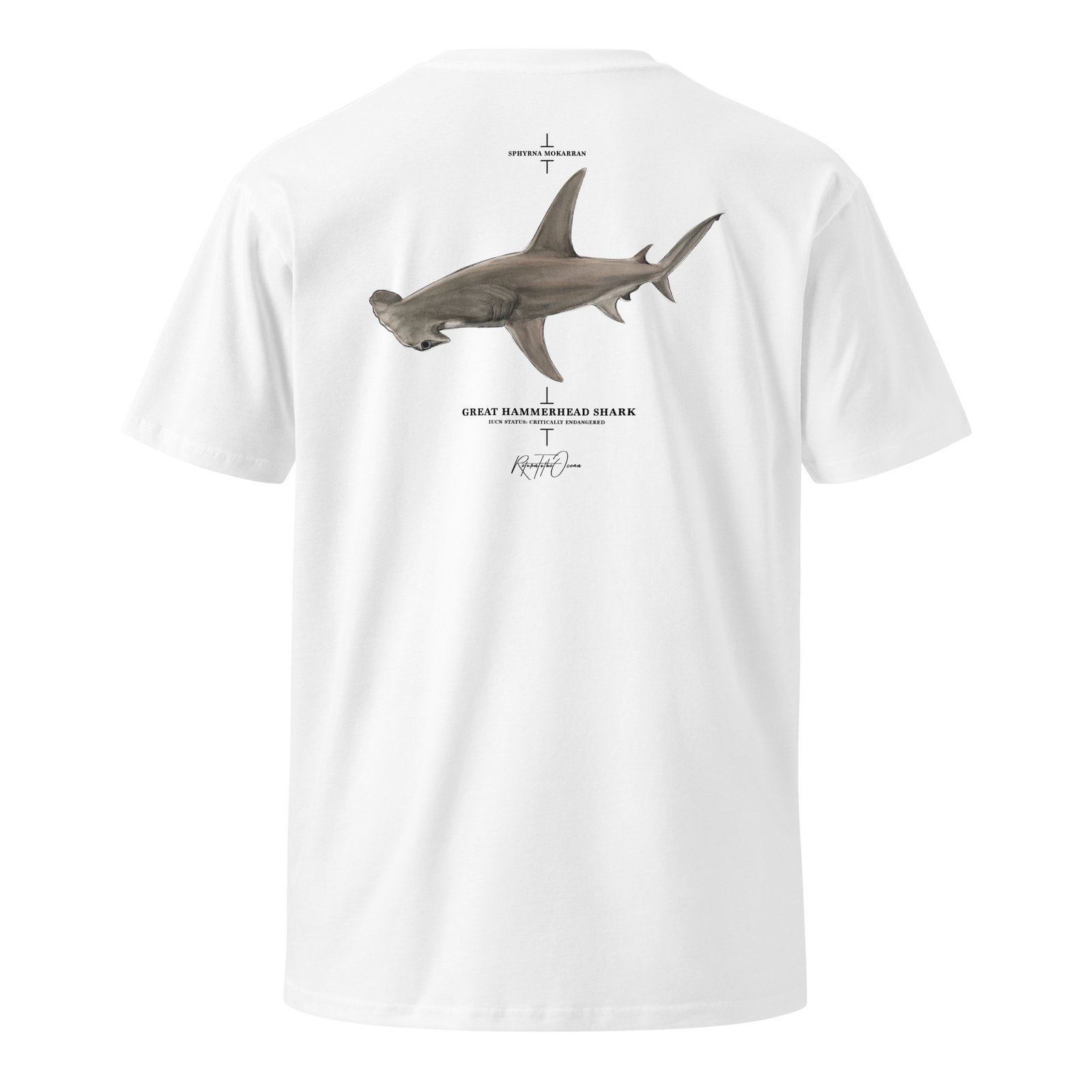
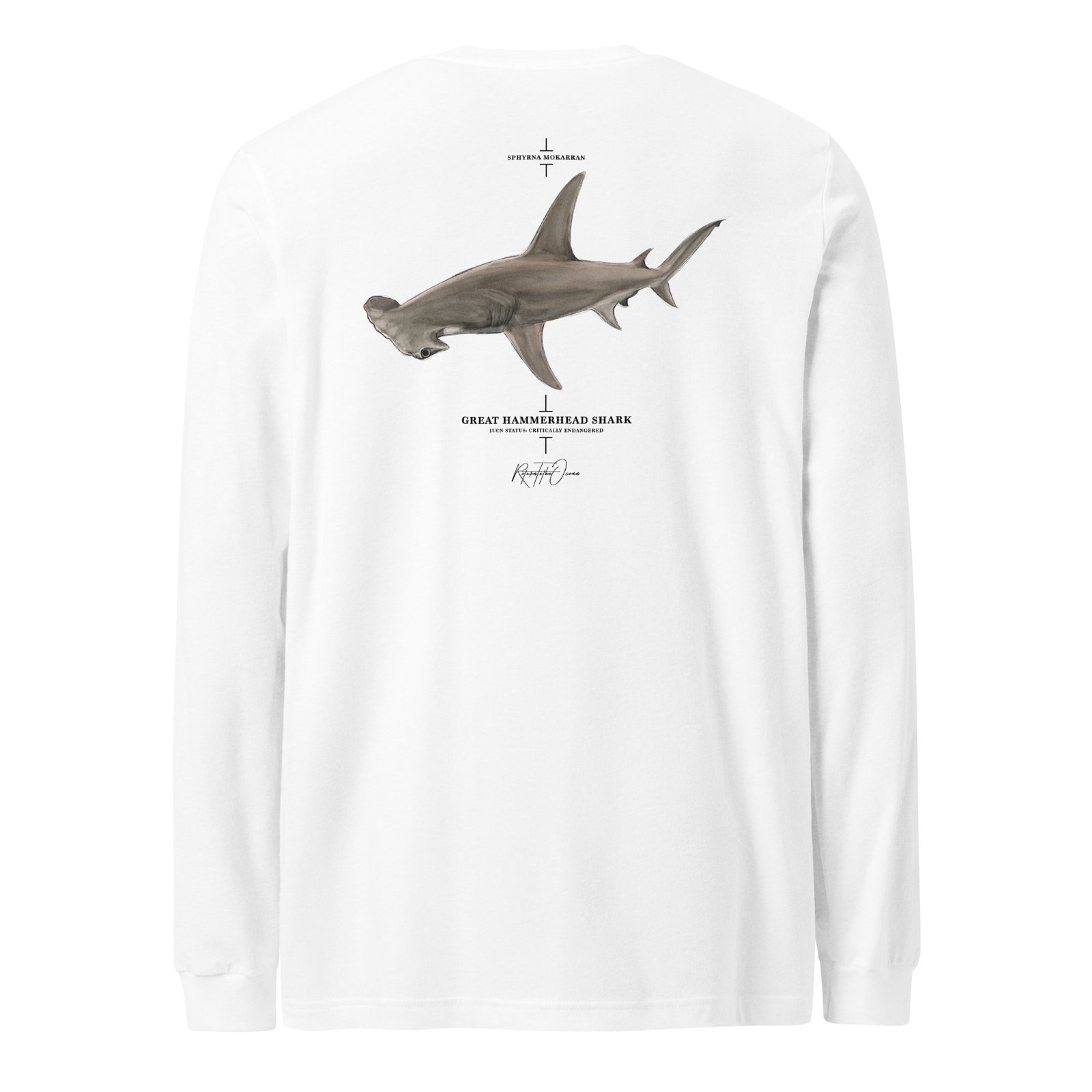
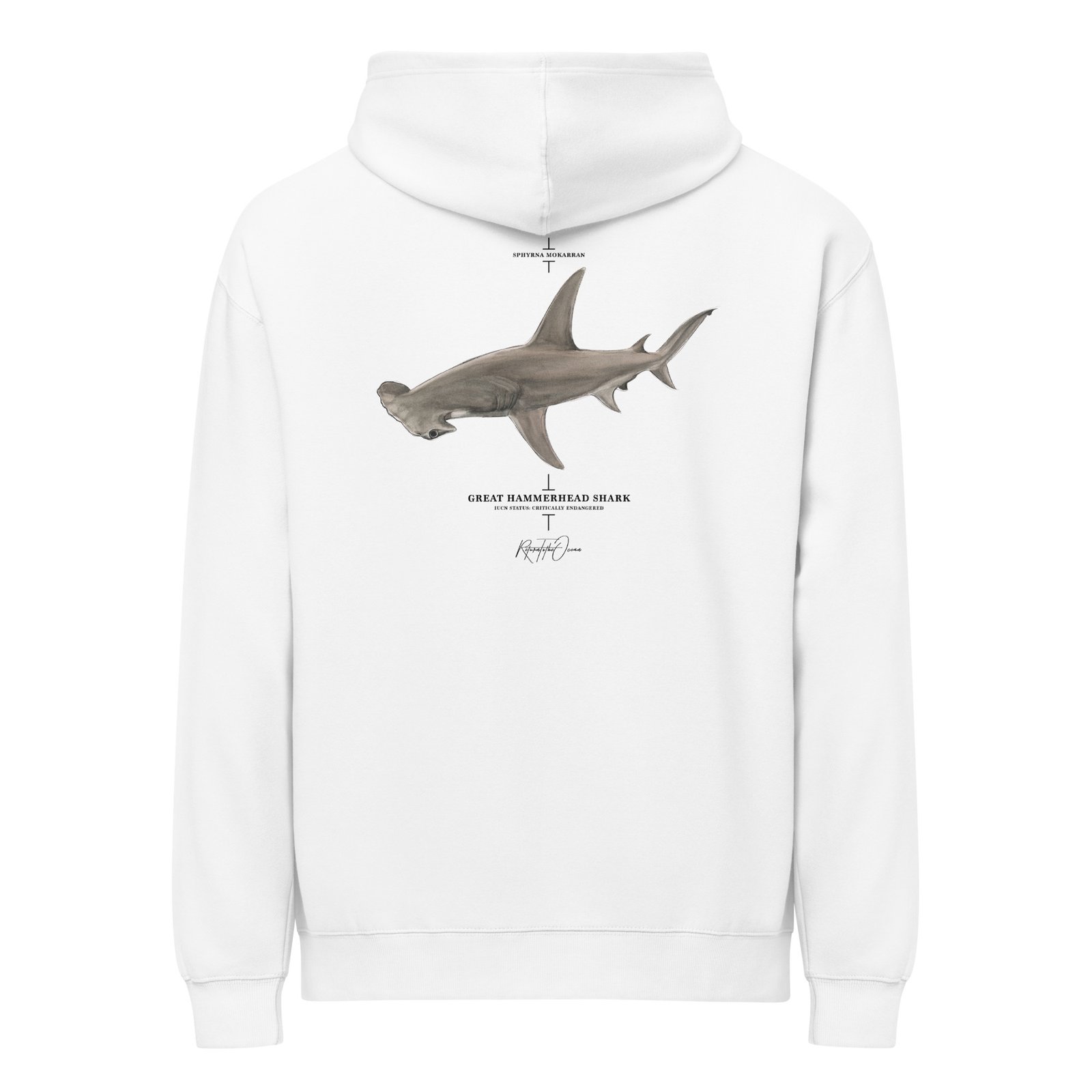
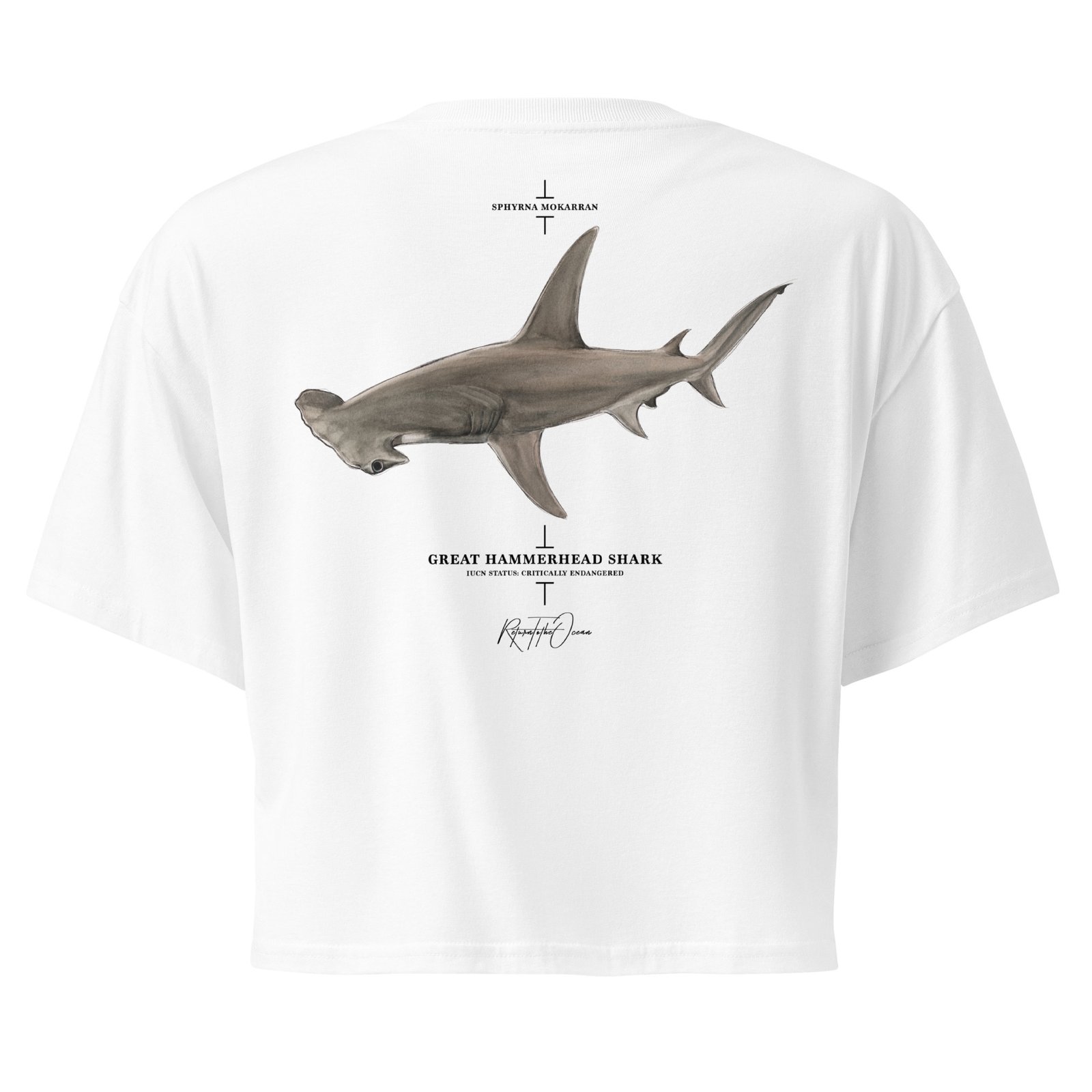
GREAT HAMMERHEAD SHARK
ONE OF THE OCEAN'S MOST DISTINCTIVE PREDATORS — AND ONE OF ITS MOST VULNERABLE.
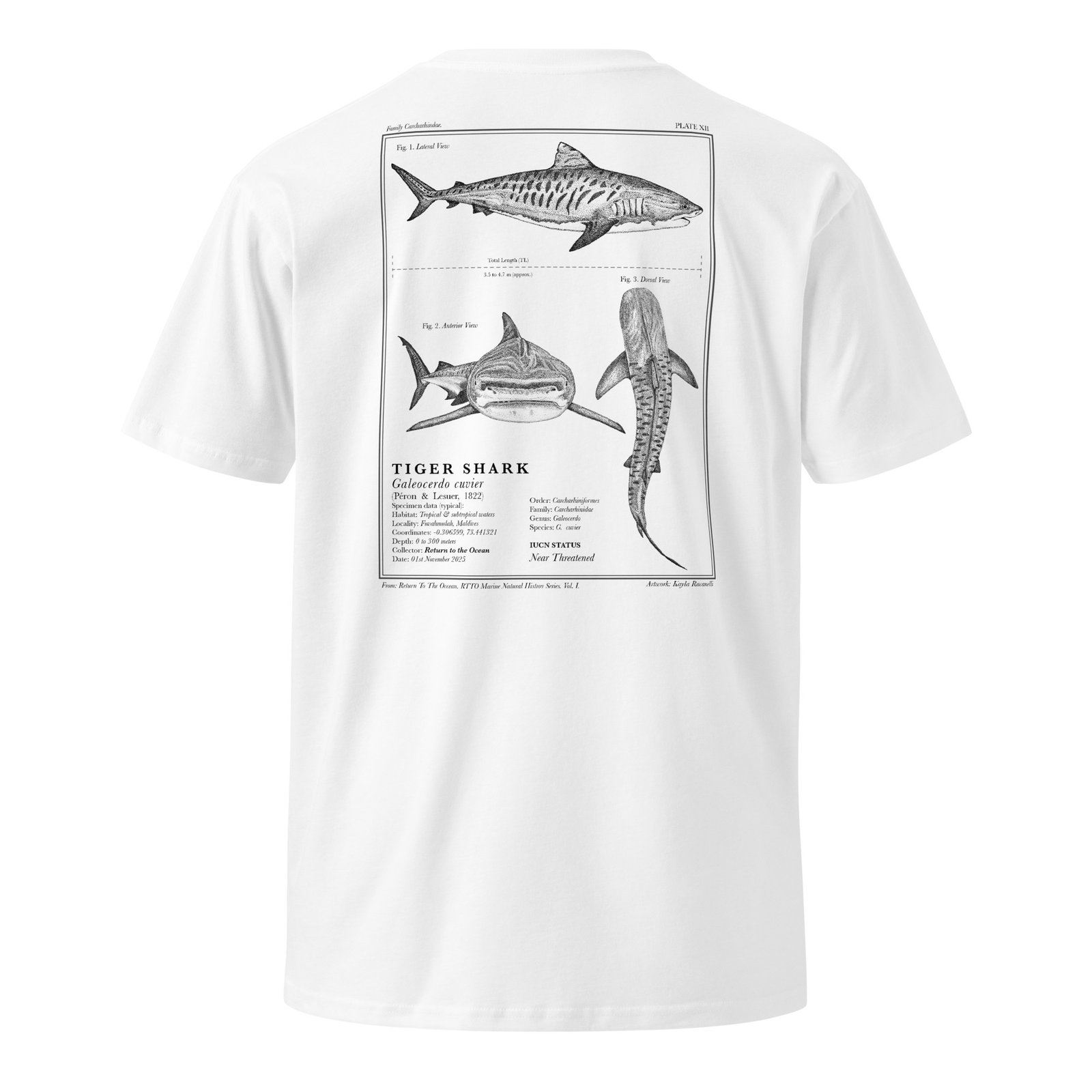
tiger shark
meet the animal
about the great hammerhead
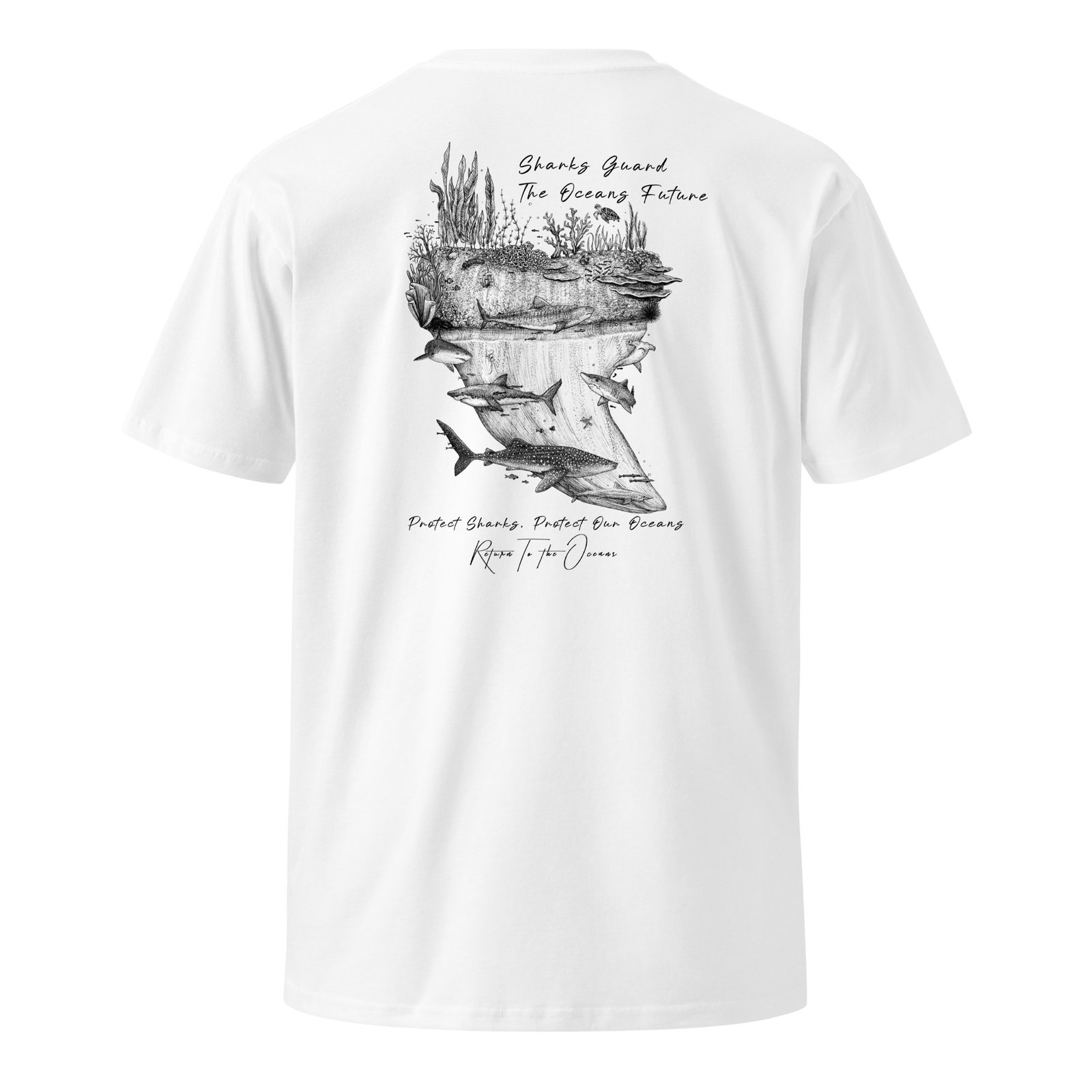
Great hammerheads are one of the largest and most recognisable hammerhead species in the ocean, distinguished by their broad, distinctive cephalofoil. As apex predators, they help maintain balance within coastal and offshore ecosystems, influencing the abundance and behaviour of the species they prey upon.
Despite their formidable appearance, great hammerheads are highly vulnerable to human pressures. Their slow growth, late maturity and relatively low reproductive rate make populations particularly difficult to recover from fishing pressure, while their distinctive fins have made them a target of the shark fin trade. Today, the species faces significant conservation challenges across its global range.
sofie seyah
meet the artist
Based in Gathaagudu (Shark Bay), Western Australia, Sofie Seyah brings the Great Hammerhead to life through her distinctive watercolour and ink illustrations. A marine scientist turned artist, Sofie combines scientific precision with creative expression, capturing the anatomy, movement and character of marine species with remarkable attention to detail.
Her deep connection to Shark Bay and its marine life is at the heart of her work. After years working in marine science, Sofie turned to art as a way of sharing her fascination with the ocean and inspiring greater appreciation for the species within it. Her Great Hammerhead illustration reflects that balance between scientific accuracy and artistic expression — transforming one of the ocean’s most recognisable predators into a piece of wearable art with a conservation purpose.
Project hiu
the cause we're supporting
About project hiu
This design supports the Miyaru Project, a Maldivian NGO dedicated to shark research and conservation. Based in Fuvahmulah — one of the few places on Earth where tiger sharks are reliably encountered year-round — Miyaru’s researchers use non-invasive tools like ultrasound imaging to study tiger shark reproductive biology, and deploy deep-sea cameras in partnership with the National Geographic Exploration Technology Lab to track populations in areas newly exposed to fishing pressure. Their work is entirely community-driven, built on collaboration between local Maldivian communities and international scientists.