01
01
↑
↓

returntotheocean.com

return to the ocean

OCEANIC MANTA

One of the ocean's gentlest giants — and one of its most graceful travelers.

shop the collection

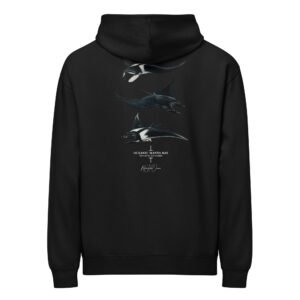
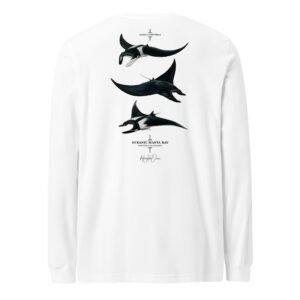
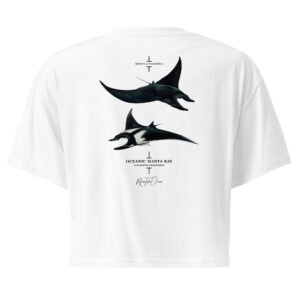
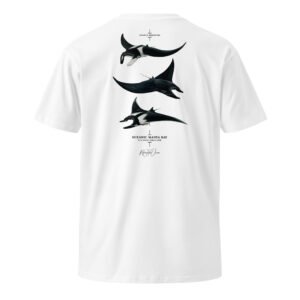
the oceanic manta ray

Mobula birostris

meet the animal

about the oceanic manta ray

Named for the Spanish word for “cloak” or “blanket” — a nod to the sweeping, wing-like shape of their bodies — oceanic manta rays are the largest rays in the ocean, and among the most important. As they glide through nutrient-rich waters, they filter enormous volumes of plankton through specialized gill plates, helping regulate the very base of the marine food web that reef and pelagic ecosystems depend on.

Despite being lumped in with their stinging ray relatives, manta rays have no stinger at all — they’re completely harmless filter feeders, and their calm, curious nature around divers has made them one of the most important species for ocean-tourism-driven conservation economies worldwide.

RYAN CHADWICK

meet the artist

About ryan chadwick

Based in the UK, Ryan Chadwick brings this Oceanic Manta Ray to life in pencil — building the design entirely from layered graphite, with the kind of fine, patient detail that’s become his signature across his bird and marine life work. Rather than working from a photograph, this piece came straight from Ryan’s own hand and eye, with no reference used at all. It’s that ability to render an animal this precisely from memory alone, paired with his meticulous eye for detail, that gives the piece its uncanny, almost photographic depth.

MANTA TRUST

the cause we're supporting

About MANTA TRUST

This design supports the Manta Trust, a UK-based charity founded in 2011 that coordinates manta ray research and conservation across a global network of affiliate projects spanning more than 20 countries. Their work centers on long-term population studies — tracking individual manta rays over years to understand their movements, breeding, and the threats they face — research that directly informs the marine protections governments and conservationists put in place. Both manta ray species are currently listed as threatened, and the Trust’s science was instrumental in securing international protections for them under CITES in 2013.

EXPLORE MORE

YOU MIGHT ALSO LIKE

Shopping Basket
Scroll to Top